When your air conditioning fails in Manor, Texas, it is not an inconvenience so much as a countdown. Temperatures climb fast, humidity settles in, and the house starts to feel “stale” within hours. If you have kids, elderly family, or anyone with health considerations, you can’t afford to wait days for a callback.
That is where an HVAC contractor in Manor TX earns their keep. Emergency repair is not just about showing up with tools. It is about diagnosing quickly, prioritizing what matters most, and helping you avoid expensive mistakes when you are stressed and tired.
Below is what emergency AC repair in Manor TX usually looks like, the choices you have when time matters, and how to choose between repair and replacement without getting pushed into something you do not need.
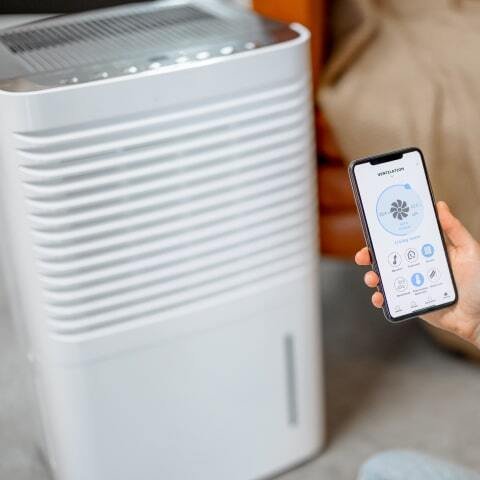
The real problem with “it’s blowing hot air”
A lot of homeowners describe the symptom, not the failure point. “It’s blowing hot air” could mean the unit is running normally but the system is not cooling. It could mean the compressor is not starting. It could mean the indoor airflow is blocked. It could also mean the thermostat is lying, whether through a wiring issue, a sensor problem, or a setting someone changed without realizing.
In emergency situations, the first job is not guessing. It is narrowing the scope fast:
- Is the indoor unit calling for cooling and is air actually moving? Is the outdoor unit attempting to start? Are there signs of electrical trouble, like tripped breakers, a hum without start, or repeated cycling? Is the system freezing up, or does it look “normal” but just not cooling?
That diagnostic step is what separates responsible HVAC repair from the quick “swap this part” approach. When an AC system fails under heat load, small issues can cascade into bigger ones. A low refrigerant charge, for example, can be both a cause and a symptom, depending on whether there is a leak. A dirty coil can reduce heat transfer and make the system feel weak, even when it is otherwise functioning.
What counts as an emergency repair?
“Emergency” can mean different things depending on your household. If your thermostat is set to 72 and the house is still rising steadily, that is urgent. If the indoor coil is frozen, that is urgent too, because running the system that way can damage components and worsen the condition.
In practice, emergency repair often includes these scenarios:
The system stops cooling and will not restart. The system runs but cannot keep up, despite high fan and a lower thermostat setpoint. The system cycles repeatedly, trips a breaker, or makes unusual sounds. The indoor unit freezes or the airflow is drastically reduced. You have a heat-sensitive situation indoors and need stable cooling sooner rather than later.If you call for help and the contractor asks a few careful questions before dispatching anyone, that is usually a good sign. The goal is to get you the fastest correct response, not the fastest arrival.
After-hours service: what to expect and what to ask
Not every problem can wait until morning. That is why many homeowners look for after-hours options, and why choosing an HVAC contractor in Manor TX with emergency availability matters.
After-hours repairs typically cost more than daytime service. That does not automatically mean you are being overcharged. The overhead is real: scheduling, staffing, and the fact that you are asking for priority rather than routine work. Still, you should feel confident about the process.
A smart contractor will explain, clearly and upfront, how they handle emergency calls. You want to know what they will check first, whether they will send a technician immediately or after triage, and what happens if a part is needed.
Here are a few practical questions you can ask on the phone:
- Will you diagnose on-site before discussing repairs? Is there an estimate range for the service call or diagnostic fee? If a part is required, will you need to come back, and how soon? Do you offer same-day parts in common failure categories? What signs tell you the system should be repaired versus replaced?
You do not need to fight anyone for answers. A persuasive, professional approach is not pressure, it is clarity.
The options you have when AC fails
Emergency repair usually boils down to a decision tree: fix what is broken now, prevent further damage, and set you up with a realistic plan for what comes next.
Option 1: Immediate repair on-site
This is the best outcome when the failure is straightforward, like a bad capacitor, a tripped breaker caused by a power issue, a clogged drain line on a related system, or a component that can be tested and corrected quickly.
In emergency situations, the “quick repair” needs to be more than quick. It should be backed by testing, not just a swap. For instance, replacing a capacitor without checking the motor windings or verifying the starting behavior can lead to a repeat failure.
If the system can be safely restored and continues to cycle normally, you are back to comfort. That is the win everyone wants.
Option 2: Temporary stabilization while parts are arranged
Sometimes the right fix requires a part that is not on hand. A responsible contractor will not leave you with a broken promise. They may restore limited function if it is safe, but they should not encourage you to run the system in a way that risks compressor damage.
Temporary stabilization might mean:
- addressing a wiring or contact issue immediately improving airflow so the indoor coil is not freezing further resetting the unit after confirming it is not tripping due to an active electrical fault confirming refrigerant-related behavior so you know whether you should stop running it
The goal is to prevent additional harm while you wait for a component. Waiting with a “do nothing” approach can turn a repairable issue into a replacement situation.
Option 3: Repair now, plan replacement later
There are times when a repair can bring the unit back, but it is also a warning sign. An older system that is struggling to maintain temperature, runs long cycles, or shows recurring issues might still be repairable today. But if the cost trend keeps rising, you need a plan.
A persuasive HVAC contractor does not just ask “what can we replace.” They also ask, “what is the most economical path given the system’s condition, age, and performance?”
Option 4: Replacement if the diagnosis points that way
Replacement is not automatically the right call. But if the compressor, major refrigerant component, or coil integrity is compromised beyond an economical repair path, continuing to throw money at it can be expensive and frustrating.
In Manor, where cooling demand is consistent through much of the year, an underperforming unit can drag your comfort and your electricity costs. When the numbers do not make sense, a new AC installation in Manor TX might actually be the more responsible decision, especially if your system repeatedly trips protection or fails again soon after repair.
What a good HVAC repair process looks like
Emergency calls are messy. People are hot, impatient, and worried about whether the house will stay safe for everyone inside. A professional HVAC contractor in Manor TX respects that tension AC Repair in Manor TX by being methodical.
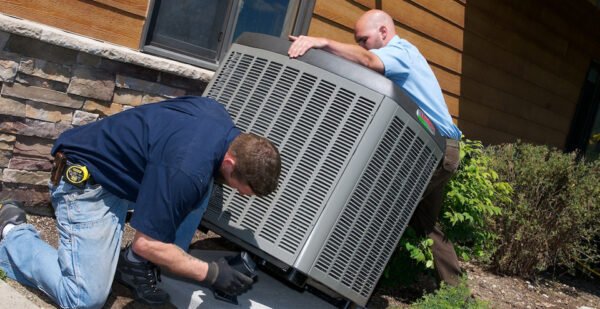
The most reassuring technicians do three things well: they observe, they test, and they explain the decision.
You will usually see a technician checking:
- airflow and temperature split across the system indoor and outdoor unit operation under load electrical inputs and protective device behavior whether the unit is freezing up or struggling with airflow condition of coils and the presence of obvious obstructions
The trade-off is time versus certainty. In a real emergency, you cannot spend an hour on every micro-check. But you also should not accept a “one look and it’s this part” diagnosis. The middle ground is rapid testing that narrows possibilities quickly.
If you want AC maintenance in Manor TX that keeps emergencies rare, this same testing mindset is why regular checkups reduce the odds of a breakdown at the worst time.
When it helps to protect your system before help arrives
If you are waiting for a technician, you can reduce damage risk. Do not treat this as a DIY repair. Treat it like a damage control plan.
First, avoid forcing the system to run if it is actively freezing. A frozen coil can lead to poor operation and potentially harm the compressor if the airflow remains inadequate. Second, confirm the thermostat is set correctly and that the fan setting is not stuck in “on,” which can sometimes cause confusing behavior depending on the system.
If the outdoor unit is completely silent, check for a tripped breaker or disconnect switch. If breakers are tripped repeatedly, do not keep resetting them. Repeated resets can indicate a deeper electrical fault.
A technician will appreciate you sharing what you observed, like whether the outdoor fan starts, whether the compressor hums or does nothing, and whether the air feels weak at the vents.
The costs nobody explains well
Emergency repair pricing is tricky because it depends on diagnosis, parts availability, and whether the system suffers secondary damage. There is also a big difference between “service call and minor part” and “compressor or refrigerant-related repair.”
Instead of quoting a number you cannot guarantee, a professional should communicate cost drivers. For example, a capacitor or contactor repair is different from a refrigerant leak evaluation, and both are different from a compressor replacement scenario.
Here is a practical way to think about it while you are making decisions:
- Minor electrical or airflow issues often restore comfort quickly with limited risk. Refrigerant-related issues can be repairable, but they require careful leak investigation and correct troubleshooting. If you fix only the symptom, the system may fail again. Compressor failures can sometimes be repaired, but in older systems, the economics often shift toward replacement.
You do not need a spreadsheet to be smart about this. You just need a contractor who explains why the diagnosis leads to repair or replacement, rather than pushing a single option immediately.
If you end up working with ATX Heating & Air Conditioning LLC, the most persuasive experience is when you get a clear explanation of what failed, what test results show, and what your realistic next step is.
Repair vs replacement: how to decide without regret
Homeowners usually want the same thing: get the system running again and not waste money. The problem is that the “cheapest today” choice can become the most expensive outcome if the repair simply postpones inevitable failure.
A thoughtful contractor considers more than age. They look at whether the unit maintains temperature consistently, how hard it runs, what the electrical and component conditions show, and how often it is needing attention.
Here are common signs that suggest replacement may be the better long-term play:
- the system struggles to cool consistently even after repairs frequent cycling or repeated protection trips major component failure that increases the chance of more failures soon declining performance across multiple visits costs that approach or exceed a reasonable portion of replacement cost repeatedly
That said, there are also legitimate reasons to repair even if a system is older. If the diagnosis is limited and the rest of the system is healthy, a repair can extend comfort meaningfully. The best decision depends on what is actually wrong, not just on the model year.
If you are dealing with uncertainty, ask for the technician’s recommendation and then ask what would change their mind. A responsible contractor can usually explain “why” in plain language, and that transparency is worth a lot.
What to watch for after an emergency repair
Once the unit is back, do not assume the story ends. Monitor it for performance and behavior changes. Sometimes the emergency repair corrects the immediate issue, but a related condition needs attention soon.
You might notice warning signs in the days after repair:
- cooling is slower than expected the unit runs constantly without reaching a comfortable temperature the system cycles too frequently unusual noises return the indoor coil ices up again
If any of that happens, call back quickly. The earlier you address a repeating problem, the less likely it is that the system suffers secondary damage. Waiting “just to see” can cost more than the second service call.
A focused checklist for your next emergency call
When it is hot inside, it is hard to stay organized. This short checklist helps you communicate clearly so the technician can diagnose faster and you can make better decisions on the spot.
- Tell them what the system is doing, including whether the indoor blower runs and whether the outdoor unit starts Share how long the problem has been happening and whether it began suddenly or gradually Mention any recent power issues, breaker trips, storms, or odd electrical behavior Confirm thermostat settings and whether fan is set to auto or on Ask for a diagnostic first, then a repair plan with options and trade-offs
This is not about being technical. It is about giving the right clues early.
How AC maintenance reduces emergency risk in Manor
Emergency repair is necessary sometimes, but most stress is preventable. AC maintenance in Manor TX is not just about cleaning. Done properly, maintenance improves reliability when the system is under the highest load.
A typical maintenance visit focuses on performance checks and wear points. Technicians evaluate airflow, inspect components for abnormal behavior, and look for conditions that predict failure. Even if a specific part will fail eventually, maintenance often shifts the failure from an emergency day to a manageable schedule.
If you want a persuasive reason, think about what goes wrong in heat. Systems run harder. Cooling demand increases. Loose electrical connections and weak components have less margin to fail quietly. Regular service keeps the system operating closer to its design range.
Choosing the right HVAC contractor when you need help fast
Emergency nights make people desperate. Desperation can lead to rushed decisions and “easy fixes” that are not actually the fix. Your goal is to find an HVAC contractor in Manor TX who feels calm, thorough, and honest.
You do not need fancy marketing. You need a contractor who communicates, explains testing, and does not treat your home like a place to experiment.
When comparing options, pay attention to how they talk through diagnosis and how they present repair versus replacement. A good sign is when they acknowledge uncertainty honestly, then show you the tests that reduce it. A red flag is when they avoid diagnostic steps and push you into a single option immediately without verifying operation.
Here is a quick comparison of common approaches you may encounter:
- If they diagnose first and explain results, the repair plan is grounded in evidence. If they recommend parts without testing, the odds of repeat failure increase. If they acknowledge whether parts are needed and set expectations about timing, you get fewer surprises. If they discuss both repair and replacement paths, you keep control of the decision.
That balance protects you both financially and physically, because a system running correctly is safer than a system being forced through repeated protection cycles.
Bringing it home: what you want from emergency AC repair
When your AC fails in Manor, you are not shopping for a casual repair. You are buying time, comfort, and confidence. The best HVAC repair in Manor TX gives you more than cool air. It gives you answers about what failed, what risks remain, and what choices make sense for your household.
If you take anything from this, let it be this: emergency repair should not feel like gambling. A skilled contractor moves quickly, tests decisively, and talks through options without pressure. Whether you end up with AC repair in Manor TX, HVAC repair in Manor TX, or an eventual AC installation in Manor TX, you deserve a process that respects your home and your budget.
For many local homeowners, working with ATX Heating & Air Conditioning LLC is about getting that dependable, no-nonsense approach when it matters most. In other words, when the temperature climbs and the system stops working, you want someone who can restore your comfort and help you make the smartest next move.
ATX Heating & Air Conditioning
13809 Theodore Roosevelt St., Manor, TX - 78653
(737) 406-8083
[email protected]
Website: https://atxheatingandac.com/